
Kujenga Youth Wellbeing Project: Final Impact Report
Kujenga means “to build.” From September 2022 to August 2026, Ifarada Centre for Excellence and Durham Family and Cultural Centre worked side by side to build something lasting for Black and racialized children, youth and families in Durham Region.
Over four years, the Kujenga Youth Wellbeing Project:
- Delivered more than 180 programs and initiatives
- Reached more than 5,000 children, youth, parents and community members
- Built more than 100 partnerships with schools, agencies, municipalities and community leaders
- Grew the Tallawah Youth Conference to more than 400 young people
Young people moved from participants to advisors, volunteers, mentors and leaders. Parents and caregivers built confidence and connection. Elders shared their wisdom across generations. Throughout, the project was guided by sauti za vijana, the voices of youth.
The final report shares what we built together, what we learned and what families told us they need next.
01826409 Final Impact Report (Word)
Executive Summary
 It is with great appreciation that Ifarada Centre for Excellence and Durham Family and Cultural Centre submit the final report for the Kujenga Youth Wellbeing Project, funded by Employment and Social Development Canada (ESDC) through the Social Development Partnerships Program – Social Inclusion, from September 12, 2022, to August 31, 2026. Kujenga, Swahili for “to build,” was designed to strengthen the social and mental wellbeing of Black and racialized children, youth, and families through culturally responsive mental-health supports, parenting and family services, youth leadership and transition programming, cultural engagement, mentorship, and community partnerships.
Over the course of the Project, Kujenga delivered more than 180 programs and initiatives, reached more than 5,000 community members, and cultivated more than 100 partnerships and community relationships. The Project exceeded several of its intended activities and expanded significantly beyond its original delivery model. More than 400 parents and caregivers participated in over 30 parenting workshops; more than 1,500 participant engagements were recorded through therapeutic-themed programming; more than 200 youth participated in experiential activities; more than 42 mentor-led workshops were delivered; and more than 315 youth participated across transitional programming, mentorship, professional networking, and life-coaching activities.The numbers cannot fully capture the dedication, creativity, and sacrifice behind them. Behind every program delivered and every family supported were people who kept showing up for the community, often through difficult and changing conditions.
We are deeply grateful to Employment and Social Development Canada for its multi-year investment in this work and for providing an opportunity for two Black-led organizations to develop, strengthen, and expand culturally responsive supports for children, youth, families, and communities. I am deeply grateful to Durham Family and Cultural Centre for walking alongside Ifarada throughout this Project. Their team delivered innovative, youth-led, and creative programming that gave young people space to connect, learn, explore their identities, and imagine new possibilities. They remained committed through the ebbs and flows of funding and implementation, and I have deeply valued the opportunity to learn from their leadership, their team, and their approach to community work. To the Ifarada team: you developed strong programs, stretched beyond your comfort zones, engaged in difficult conversations, and remained responsive to the changing needs of children, youth, and families. Your creativity, passion, and commitment to developing innovative programs for youth have helped build a community that others have come to rely on. Whenever there was a task to complete, an outreach goal to meet, or an issue to address, you worked together as a team to develop solutions and consistently exceeded expectations. Overall, you brought professional expertise, lived experience, compassion, creativity, and cultural knowledge to this work, and you grew alongside the Project and the community you served.
Facilitators, professional leaders, Elders, mentors, students, volunteers, community members, and partners contributed their time, knowledge, expertise, relationships, and hearts because they believed that children, youth, and families deserve culturally responsive, affirming, accessible, and meaningful opportunities to thrive. Working alongside the community was critical because many of the resources required to strengthen children and families already existed within the relationships, histories, knowledge, and leadership of the community itself. Elders were invited to serve as storytellers, knowledge keepers, and guides, helping young people connect with cultural history, identity, resilience, intergenerational wisdom, and a stronger sense of belonging. Mentors and professionals provided representation, practical knowledge, encouragement, and exposure to educational, employment, leadership, and life opportunities that young people may not otherwise have encountered. The Project also intentionally created opportunities for other community leaders and organizations to contribute their expertise, resources, spaces, networks, and ideas. These collaborations expanded access to programming, strengthened referral pathways, increased the visibility of available supports, and connected children, youth, and families to a broader network of trusted people and organizations. Kujenga did not position organizations as the sole holders of knowledge or solutions. Instead, it created space for lived experience, cultural knowledge, professional expertise, youth voice, family perspectives, and community leadership to work together. Through these relationships, the Project strengthened community capacity, created new connections, supported emerging leaders, and contributed to a network of relationships that can continue to benefit children, youth, and families beyond the life of the Project.
One moment continues to represent the Project for me. At the 2026 Tallawah Youth Conference, I watched conference host Kwame Osei speak to a room filled with young people. I remember their faces, their excitement, their eagerness, and their willingness to fully participate in a space that had been intentionally created for them.
This was not simply work. It was soul work.
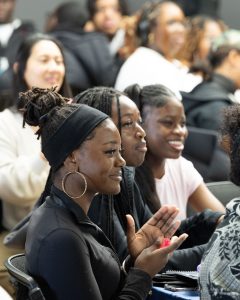
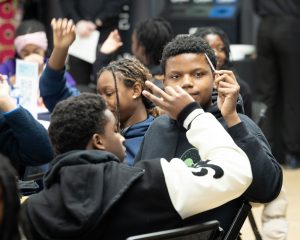
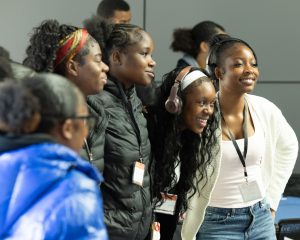
Even when we could not transform every system surrounding the young people and families we served, we could create opportunities, open doors, build relationships, and plant seeds. At Tallawah, surrounded by young people who were learning, laughing, questioning, and imagining their futures together, I knew those seeds had already taken root.
Together, we built programs, partnerships, leadership opportunities, and pathways for children, youth, and families. We also built something harder to measure trust, belonging, hope, and the belief that culturally grounded community work creates meaningful change.
Thank you to every young person, family, Elder, volunteer, staff member and partner who made this work possible.
We may have started out as grassroots organizations carving out a place in our community, but we learned that we were Tallawah: small but mighty.
Asante
Medasse Paa
Nicole Perryman, Executive Director
Ifarada Centre for Excellence
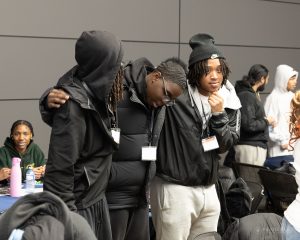
Photos were taken by Keane Photography at the 2026 Tallawah Youth Conference.
The Kujenga Youth Wellbeing Project was funded by the Government of Canada through Employment and Social Development Canada’s Social Development Partnerships Program – Social Inclusion.

