

Our Children, Our Village: Cultivating Joy, Belonging & Learning
Welcome Back to Fall: Our Children, Our Village Cultivating Joy, Belonging & Learning
The beginning of a new school year brings so many mixed emotions.
For my sister this year—and for so many parents with little ones—it marked the first day of kindergarten for her son. As a kindergarten teacher herself, she entered this transition with a unique perspective. She knows the classroom. She understands child development, curriculum expectations, classroom management, and the tremendous responsibility educators carry. She is also deeply aware of the challenges Black children can encounter within educational systems.
And then she had to experience kindergarten from the other side: as a Black parent sending her own child into someone else’s care.
For many Black parents, the first day of school is filled with excitement, pride, anticipation—and fear.
There may be a fear that the teacher will not fully “see” your child: their inherent worthiness, personality, gifts, curiosity, culture, and uniqueness.
There may be fear that your child will encounter negative stereotypes, assumptions, language, or expectations before they are even old enough to understand what those things mean.
There may be fear that your child, who once loved learning and exploring, will begin to reject school or be described primarily through behavioural concerns.
And there can be the deeper fear that decisions made within the education system could somehow alter the trajectory you have imagined for your child.
Those fears are not insignificant. At the same time, as parents, we cannot remain only in fear. Our hopes for our children remain much greater.
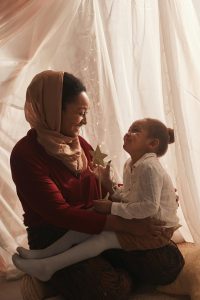 We strive for our children to feel loved and accepted. We want them to build friendships that bring them laughter, belonging, and joy. We want them to learn, excel, discover their strengths, develop confidence, and eventually find interests and passions that help carry them successfully into adulthood.
For my sister, there was another layer to this transition. Because she is an educator herself, she naturally looked at her son’s teacher through a very critical lens. She knew what the role required. She knew what she had learned through years of experience and training. She knew what excellent teaching could look like. But she also had to learn something else: how to lean into grace. Giving educators grace can be difficult, particularly when they hold significant power in our children’s lives. Grace, however, does not mean abandoning accountability.
Teachers have a responsibility to draw upon their training, expertise, professional judgment, and wisdom to recognize every child as an individual. They also have a responsibility to examine their own assumptions and intentionally address bias, particularly the biases that affect Black children and other racialized students. Parents can hold both truths at once. We can give educators an opportunity to build relationships with our children while also expecting them to demonstrate care, fairness, professionalism, and accountability. As your family transitions into this school year, here are three things I encourage parents to consider.
1. Identify What You Are Feeling—and Intentionally Make Space for Joy
Before responding to every email, school interaction, playground story, or concern, take some time to identify what you are actually feeling.
Ask yourself: Am I worried? Am I afraid? Am I excited? Am I feeling protective? Am I remembering something painful from my own childhood? Am I expecting something to happen because of experiences I have had before?

Sometimes several emotions are present at the same time.
Naming our emotions helps us understand what belongs to the current situation and what may be connected to our previous experiences.
For Black parents, this reflection is particularly important because many of us are navigating our children’s schooling while car
rying memories of our own experiences with racism, exclusion, discipline, low expectations, or feeling unseen.
Those experiences matter.
But alongside awareness, intentionally make room for joy.
- Celebrate the first day of school.
- Take the pictures.
- Ask about the funny moments.
- Celebrate the new friend.
- Listen to the stories that seem incredibly important to a five-year-old.
- Celebrate the artwork, the new words, the books, the songs, the questions, and the growing independence.
Joy does not require us to ignore racism or pretend that challenges do not exist. Joy simply reminds us that fear does not deserve to occupy every part of our parenting experience.
2. Cultivate a Relationship With Your Child’s Teacher
Relationships matter. Introduce yourself. Attend opportunities to connect when you can. Let the teacher know that you are interested, available, and invested in your child’s education.
Give teachers some grace as they learn the personalities, learning styles, strengths, needs, and dynamics of an entire classroom of children.
At the same time, remain engaged.
- Ask questions.
- Share information that will help the teacher understand your child.
- If something concerns you, address it early rather than allowing frustration to build.
- And when necessary, hold educators accountable.
Parents should be able to expect educators to reflect upon their practices, communicate respectfully, recognize individual differences, address bias, and create classrooms where children experience dignity and belonging.
Relationship-building and accountability are not opposites. Strong partnerships between families and schools should include both.

3. Enjoy Your Child
This one sounds simple, but it may be the easiest one to forget. Enjoy them. Parenting can become consumed by schedules, school lunches, extracurricular activities, homework, appointments, transportation, work, and responsibilities. Then somehow, very quickly, the kindergarten child becomes the teenager preparing for high school—and eventually the adult building a life of their own.
- Be intentional about experiencing your child while they are becoming.
- Help them discover what they love.
- Maybe it is music.
- Maybe it is science, sports, reading, building, dancing, drawing, technology, storytelling, nature, cooking, leadership, helping others—or something you have not even imagined yet.
- Allow them the freedom to explore.
- Let interests change.
- Celebrate curiosity instead of requiring perfection.
- Fill your child’s cup—and your own—with love, joy, connection, traditions, laughter, conversations, and memories.
- And continue reminding your child of something the world may not always affirm loudly enough:
You are unique.
You are worthy.
You belong.
You have something meaningful to contribute.

Anti-Black racism is real. It can wound. It can create barriers. And it must be challenged.

Our children’s stories are also filled with creativity, excellence, resistance, community, love, possibility, and joy. Our work as parents is not simply to prepare Black children to survive difficult systems. It is also to create the conditions that allow them to thrive.
So, as we welcome an other fall and another school year, may we remain attentive without becoming consumed by fear. May we build relationships while expecting accountability. May we advocate when advocacy is required. And may we never become so focused on protecting our children from what could happen that we forget to experience the beauty of who they are becoming.
For additional support, explore our Navigating the New Normal information sessions with our resident educators, Lisa McGregor and Melissa Perryman.

Video Link: Navigating the New Normal (September 2021)
Video Link: Navigating the Canadian Education System

Video Link: Navigating the School System
In loving memory of Lisa McGregor.
